
From Headquarters to Hospitality: Designing Office Spaces That Do More
Designing Office Spaces That Do More Today’s most successful workspaces aren’t just built for business—they’re built for belonging.For years,...
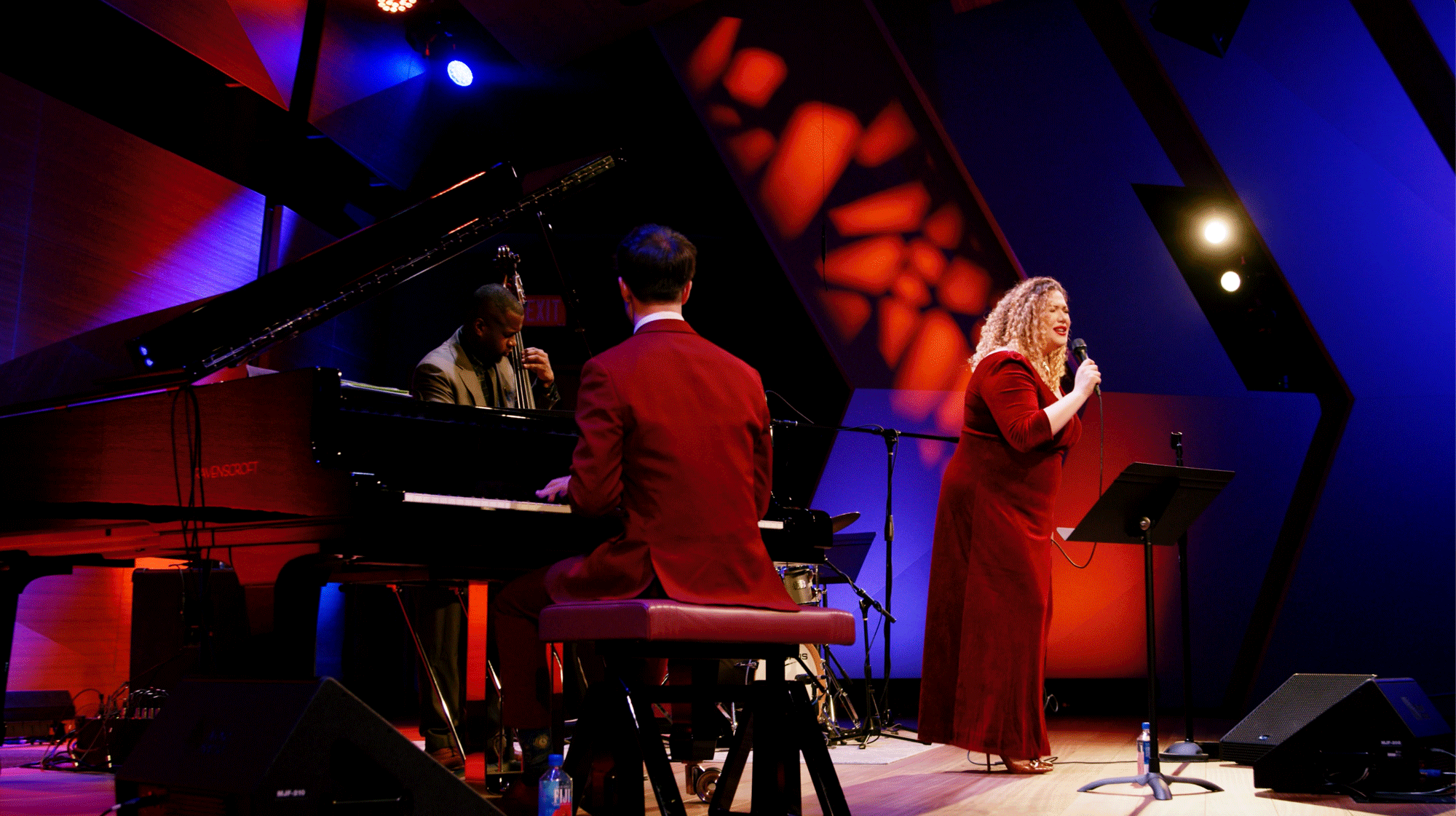
Because while 2025 gave us more powerful tools, brighter displays, and smarter systems than ever, the truth is… many environments still struggled with the same core issues they’ve faced for years. The temptation to overcomplicate. The pull toward performance instead of purpose. The tendency to focus on the gear instead of the people using it or the people it’s meant to serve.
At CSD, we believe the best audio-visual systems aren’t defined by how much they cost, but by how well they help you do what matters most. Below are three big takeaways from 2025 that we believe should shape how we all design audio-visual systems, lead our teams, and think differently in 2026.
If there’s one thing we heard more than anything this year, it was this: “Everything is working, but it still feels fragile.”
This wasn’t about bad gear. In fact, most of the rooms we walked into had excellent equipment. The problem was that these systems, while technically solid, were built with engineers of the highest level in mind, not the people who had to show up early on Sunday, or backstage on Friday, and run it all under pressure.
We visited environments where everything depended on one person who knew “the quirks.” Where signal paths weren’t labeled, interface layouts weren’t intuitive, and if the one experienced operator got sick, the whole team felt paralyzed. These weren’t poorly designed systems, they were just unkind ones (and feelings were hurt). They weren’t built for how people actually use technology when things get real.
Moving into 2026, we need to design differently. Systems should be intuitive enough that someone unfamiliar can find their way. They should be documented, not just in the integrator’s files, but in a shared folder your team and volunteers actually know exists. Labeling shouldn’t be an afterthought—it should be an act of hospitality for the next person stepping in.
And we need to assume things will go wrong. Because they will. So build in paths for graceful degradation. Redundancy. Your plan B. Your audio-visual system should be forgiving under stress, not breakable when real life shows up right before you go live.
The systems that win in 2026 won’t be the most complex, they’ll be the most clear, recoverable, and the most human-centered.
2025 was a year of upgrades, and we paid the price in distraction.
Looking back on the year, this may be the most important insight of all.
We saw venues install 4K cameras, brighter LED walls, next-gen audio consoles, and distributed control systems that could handle more channels, more flexibility, and more presets than ever before.
But the storytelling didn’t improve. The sense of connection didn’t deepen. Sometimes, it even got worse. Rooms became overstimulated. Lighting cues changed too fast. Video walls displayed more pixels, but less purpose. Communicators were often drowned out (both visually and audibly) by the tech meant to support them.
Why? Because we led with the wrong question.
Instead of asking, “What do we want people to feel or understand in this moment?” we asked, “What can this system do?” And once that door opened, performance became the driver, not purpose, and it drove us straight off a cliff into a land of distraction.
To be clear, gear isn’t the enemy here. But specs don’t guarantee connection. A brighter fixture doesn’t make a message more meaningful. A camera doesn’t create clarity unless it’s pointed at something worth focusing on.
And this problem didn’t start at the upgrade stage, it started at the planning stage. Too often, audio-visual design began with layout, gear selection, and infrastructure… before the creative team ever defined the story, the experience, or the ministry moment the system needed to serve.
This is where distraction crept in. We designed services and shows that looked impressive on paper, but felt overwhelming in person. Rooms became louder, faster, flashier… and more exhausting. And that wasn’t a result of bad intention, it was the natural outcome of skipping over the most important question: “Why?”
In 2026, we need to design with that question front and center.
We need to slow down at the start and ask: “What is the message? What truly matters most? What distracts from that? What reinforces it?”
We need to build systems around emotional clarity, attention flow, and human experiences, not just channel counts and fixture libraries. We need to treat lighting as visual leadership. We need to give permission for silence, stillness, and simplicity. We need to design spaces where attention is guided, not grabbed.
Because in a world full of noise, the most powerful moments are often the quietest ones.
You’d think by now with all the DSP advances, next-gen networking protocols, and improved loudspeaker design we’d have solved this. But 2025 proved that audio clarity is still one of the most common and most critical pain points in nearly every environment we serve.
We heard the same stories again and again. Rooms that sounded muddy. Vocals that were over-compressed. Mixes that felt like a fight between the operator and the space. Volunteers struggled with mixing and “fighting the room” instead of mixing with it.
In so many places, clarity wasn’t lost because the tools weren’t capable. It was lost because the room wasn’t properly treated acoustically.
Time and phase alignment weren’t verified. Operators weren’t trained in acoustics. And the pursuit of loudness or punch often came at the cost of intelligibility
The result? The spoken word—the most important part of any gathering—wasn’t landing. Not because the content wasn’t good. But because the people in the room couldn’t clearly understand it.
In 2026, we have to put clarity back on the throne. Not as a technical checkbox, but as a foundational value. Because no matter how beautiful the visuals are, if people can’t understand what’s being said, we’ve missed the moment.
That starts with treating acoustics as infrastructure, not decor. It means using real measurements to validate what we’re hearing, not just trusting memory or instinct. It means designing for consistency and coverage, not just peak volume. And it means prioritizing operator education with as much intention as we apply to new gear.
Because when it comes to audio-visual systems in large venues, clarity isn’t a bonus, it’s the baseline requirement.
2025 reminded us that clarity, not capability, is the goal.
That volunteers matter more than voltage. That distraction is the easy path, but intention is the meaningful one. And that the most powerful systems aren’t the ones with the most inputs, they’re the ones that keep the message front and center.
Let’s make 2026 a year where our audio-visual systems don’t just sound better or look better… but lead better.
Let’s make it a good year.
- Team CSD
Designing Office Spaces That Do More Today’s most successful workspaces aren’t just built for business—they’re built for belonging.For years,...
Helping The World Communicate Better We’ve all been there: sitting in a sleek, modern boardroom where the design is impeccable, but the acoustics?...
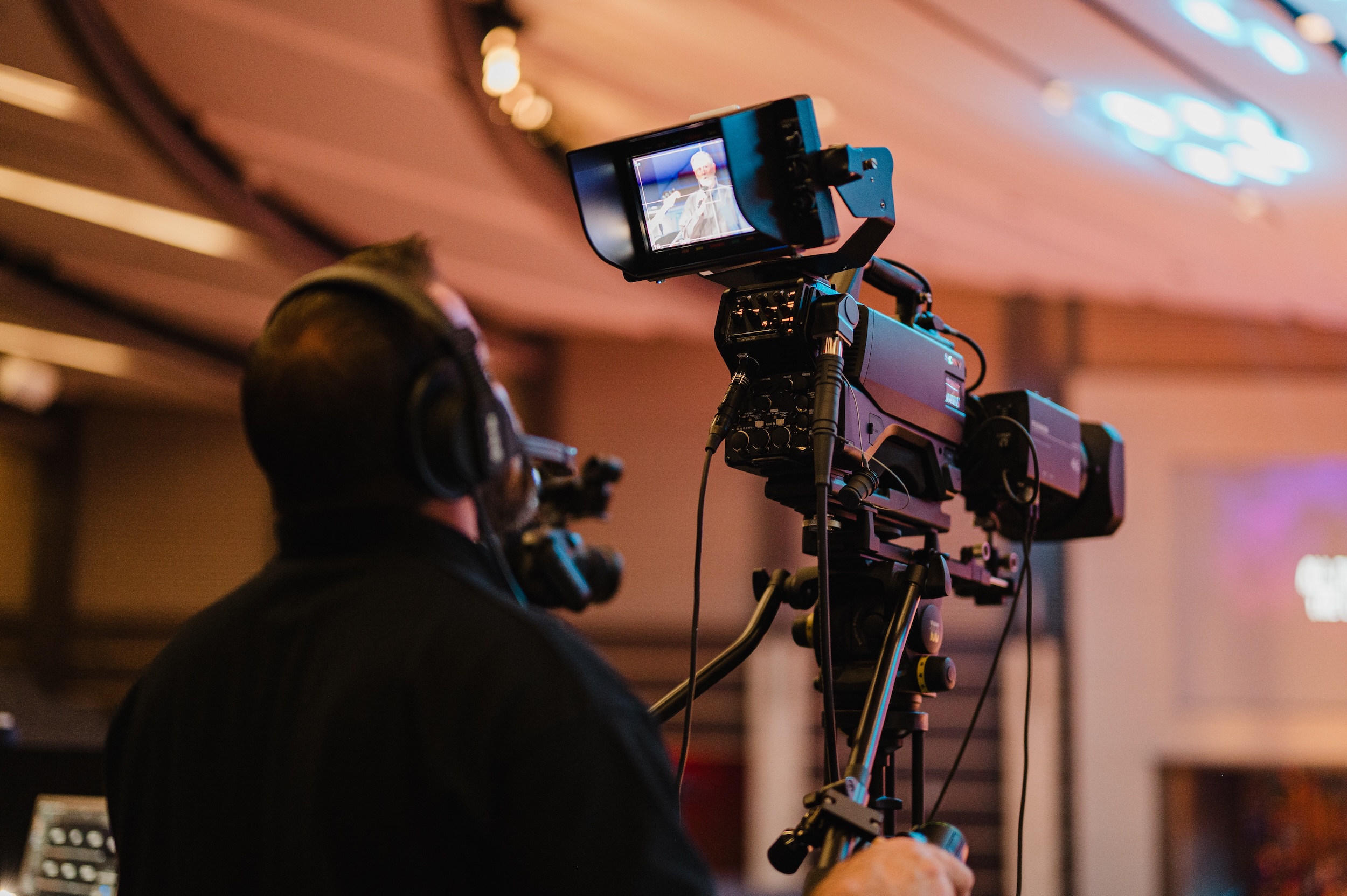
It usually starts with a team who has a vision for live-streaming or image magnification. . They’ve heard of RED cameras. They’ve priced out PTZs....